
What is a bunion? Are bunion correctors effective?

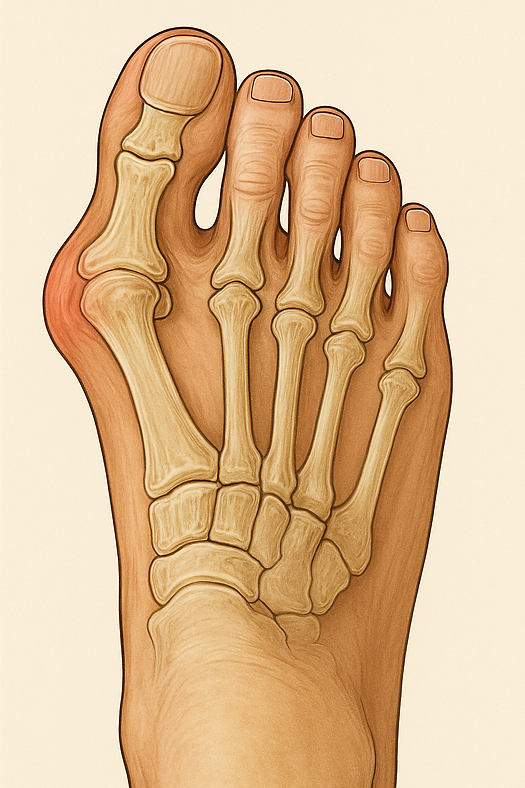
Bunion Illustration
What is a Bunion?
A bunion is a common foot problem characterized by a bony bump at the base of the big toe, often accompanied by the big toe leaning towards the other toes. This condition not only affects the appearance of the foot but can also cause pain, swelling, and even difficulty walking. The causes of bunions are diverse, including genetic factors, prolonged wearing of ill-fitting shoes (such as high heels or narrow shoes), and abnormal foot structure. According to research, approximately 23–35% of adults will experience bunions at some point, with women being more susceptible.
Impact of Bunions
Bunions are not just an aesthetic issue; they can significantly impact one's quality of life. Sufferers may avoid prolonged standing or walking due to pain, affecting their daily activities. Additionally, bunions can lead to other foot problems such as corns, calluses, or arthritis. Long-term neglect of symptoms may necessitate surgical correction, which is not only costly but also requires a lengthy recovery period. Therefore, early intervention and proper care are crucial.
Why Do You Need a Bunion Corrector?
A bunion corrector is a non-invasive corrective tool designed to alleviate bunion symptoms and prevent the condition from worsening. Its main functions include:
- Correcting toe position: Bunion correctors use gentle pressure to help realign the big toe, slowing down the progression of the bunion angle.
- Relieving pain: Correctors can distribute pressure on the joint, reducing discomfort when walking or standing.
- Preventing further deterioration: Consistent use of a corrector can slow the progression of bunions, reducing the need for surgery.
- Enhancing comfort: Many correctors are lightweight and can be worn inside shoes, allowing users to maintain comfort in their daily lives.
There are various types of bunion correctors available on the market, from silicone toe separators to night splints, each with different functions. Choosing the right corrector should be based on the severity of individual symptoms and lifestyle, and it is advisable to consult a podiatrist if necessary.
How to Use a Bunion Corrector Effectively?
To maximize the effectiveness of a bunion corrector, consider the following tips:
- Choose the right corrector: Ensure the corrector's size and material are suitable for your foot type, and avoid anything too tight or too loose.
- Regular use: Follow product instructions for daily use. Night splints, in particular, can provide continuous correction during sleep.
- Wear appropriate footwear: Choose shoes with a wide toe box and comfortable fit to reduce pressure on the toes.
- Combine with foot exercises: Simple foot stretches, such as toe spreading exercises, can strengthen foot muscles and enhance the corrector's effects.
Other Care Recommendations
In addition to using a bunion corrector, lifestyle changes can also effectively manage bunions. For example, avoid wearing high heels or narrow shoes for extended periods, maintain a healthy weight to reduce pressure on the feet, and regularly massage your feet to promote blood circulation. If symptoms continue to worsen, seek professional medical advice promptly to assess whether further treatment is needed.
Through early intervention and the use of bunion correctors, patients can effectively manage symptoms without compromising their quality of life. Bunion correctors, as simple and economical tools, can help reduce pain, improve toe alignment, and prevent the condition from worsening.
Rock Medical offers various styles and sizes of correctors. Those in need can visit the following page to purchase: